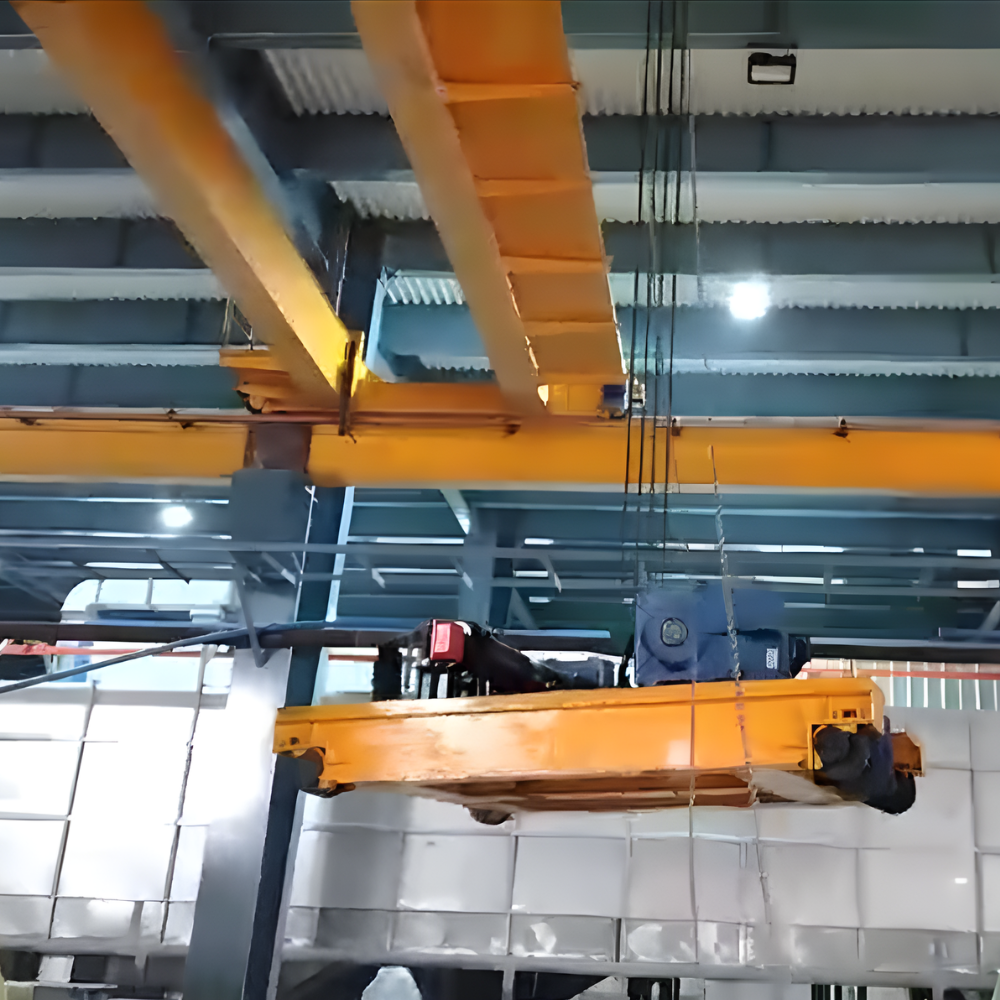
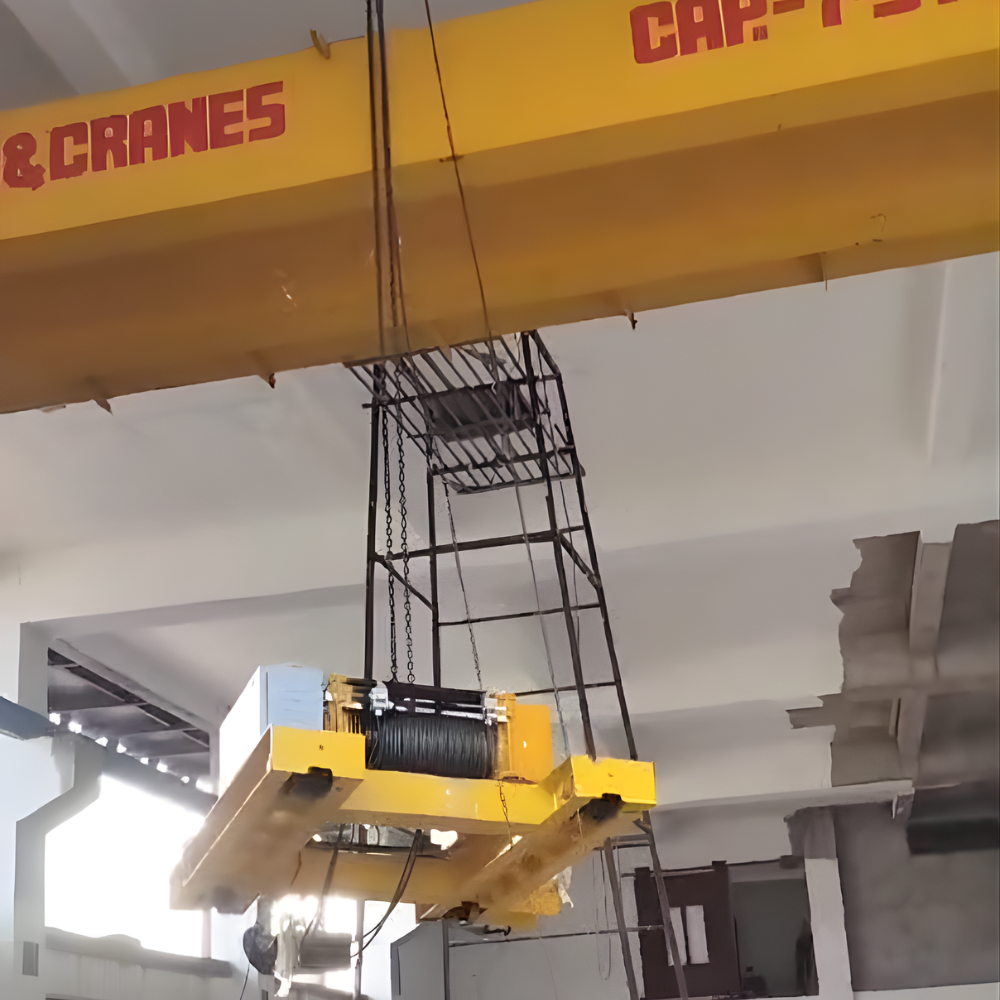
About BOX TYPE DOUBLE GIRDER CRANE
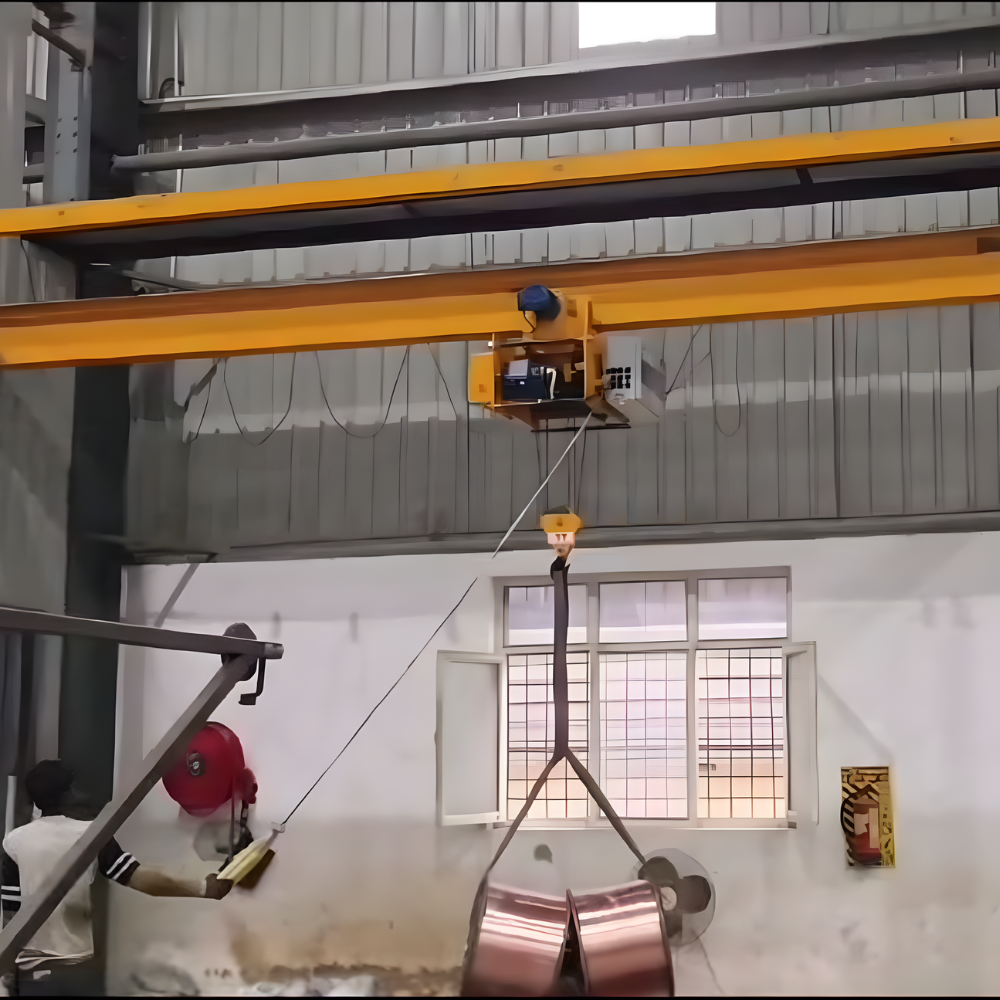
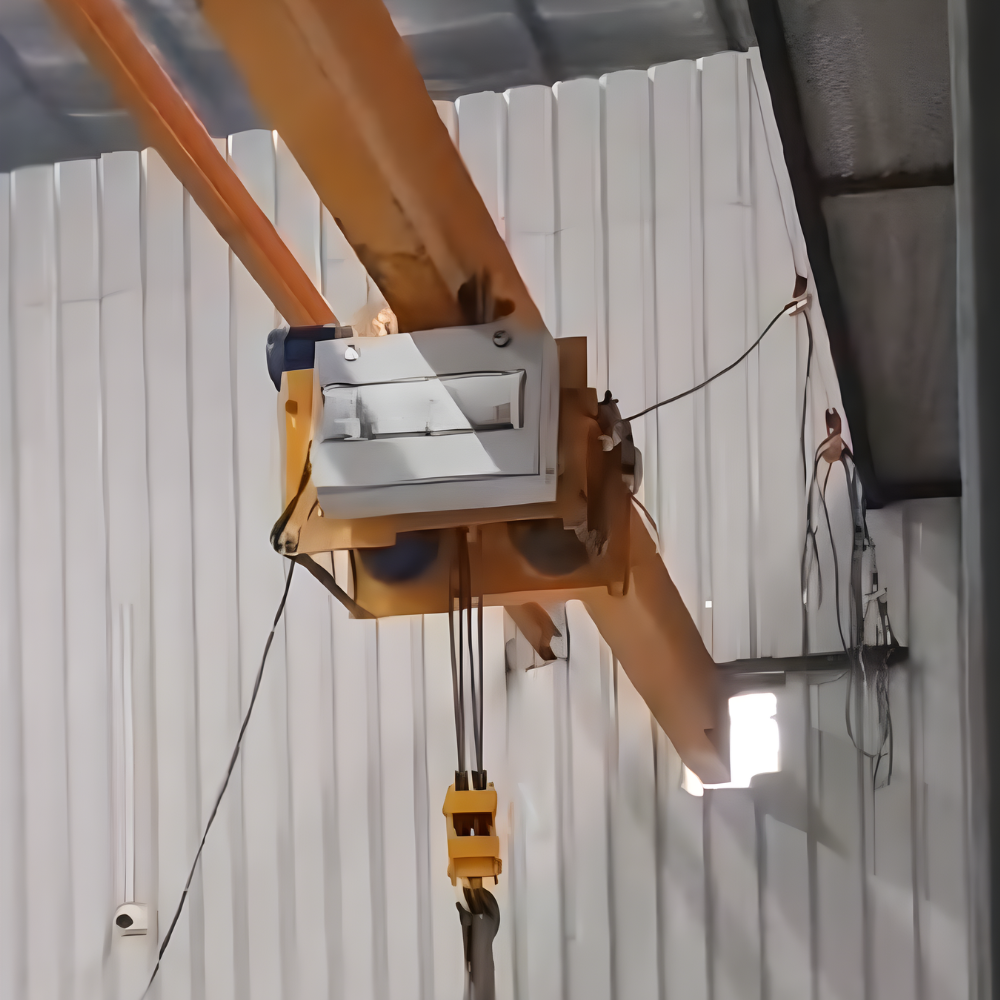
A Comprehensive Guide to Construction Cranes, EOT (Electric Overhead Travelling) Cranes are an essential part of the construction industry. They are used to lift and move heavy loads in various industrial and commercial settings. EOT Cranes are available in different types and capacities, ranging from single girder to double girder cranes, making them ideal for various material handling applications. As a leading EOT Crane Manufacturer, we offer a range of cranes to meet the specific needs of our clients. Our Single Girder EOT Cranes are known for their light weight and easy maintenance, while our Double Girder EOT Cranes are designed for heavy-duty applications. Our Electrical Hoist Cranes are an ideal solution for lifting and moving small loads, while our Overhead Cranes are ideal for moving loads over a large area. We are one of the leading Crane Manufacturers in the industry, providing high-quality EOT Cranes at competitive prices. Our cranes are designed and manufactured in compliance with international standards and come with a warranty for complete peace of mind.
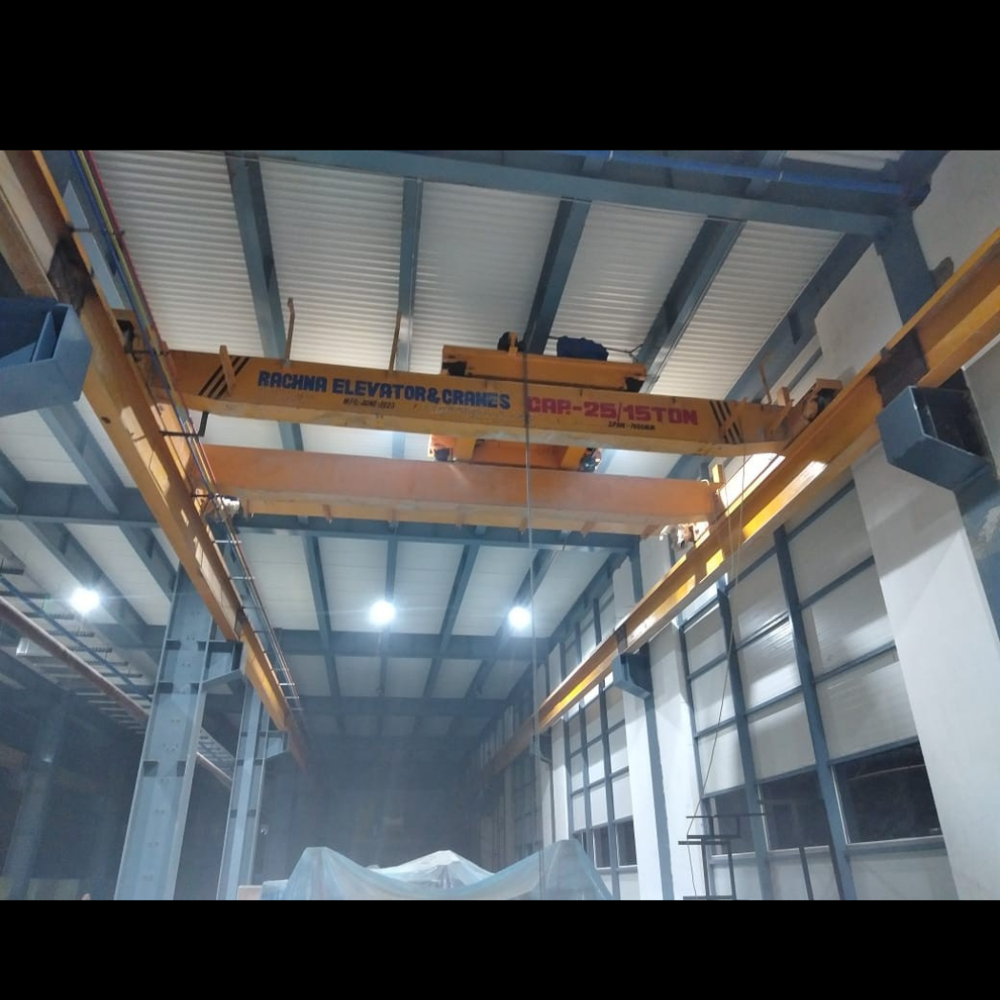
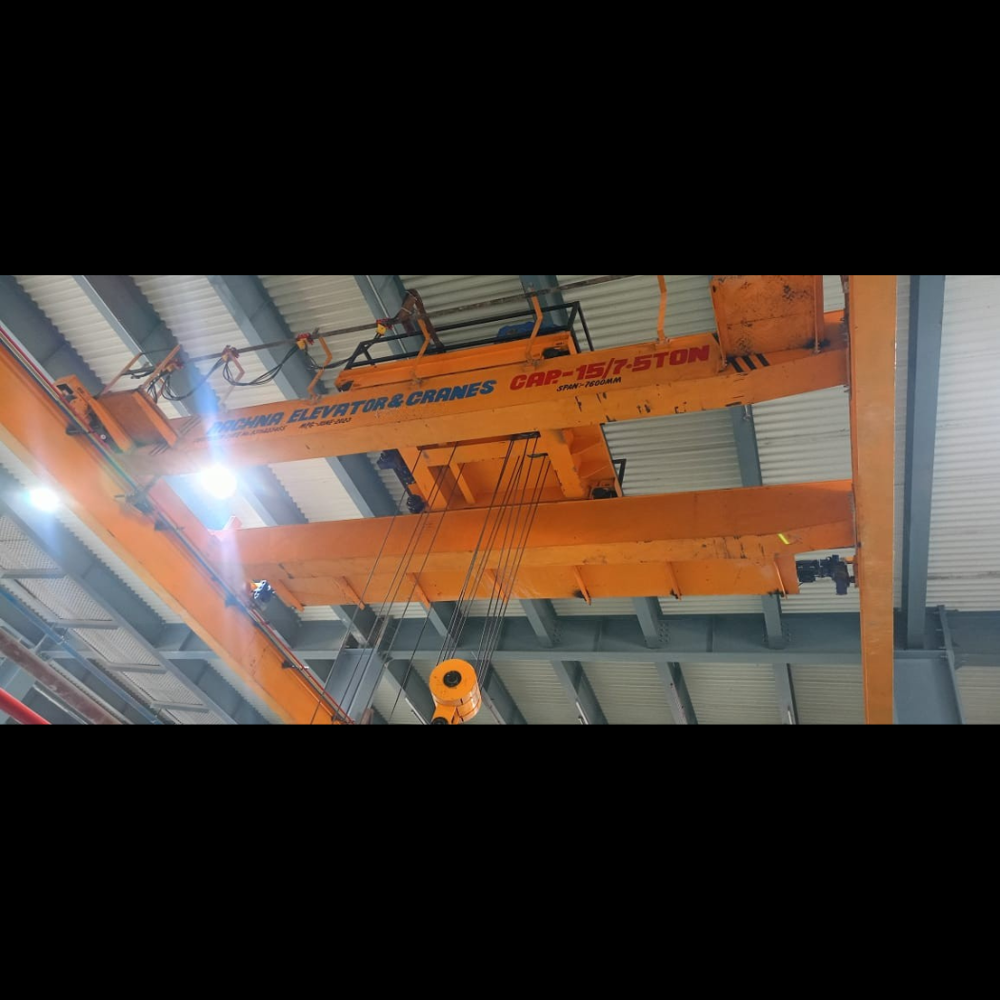
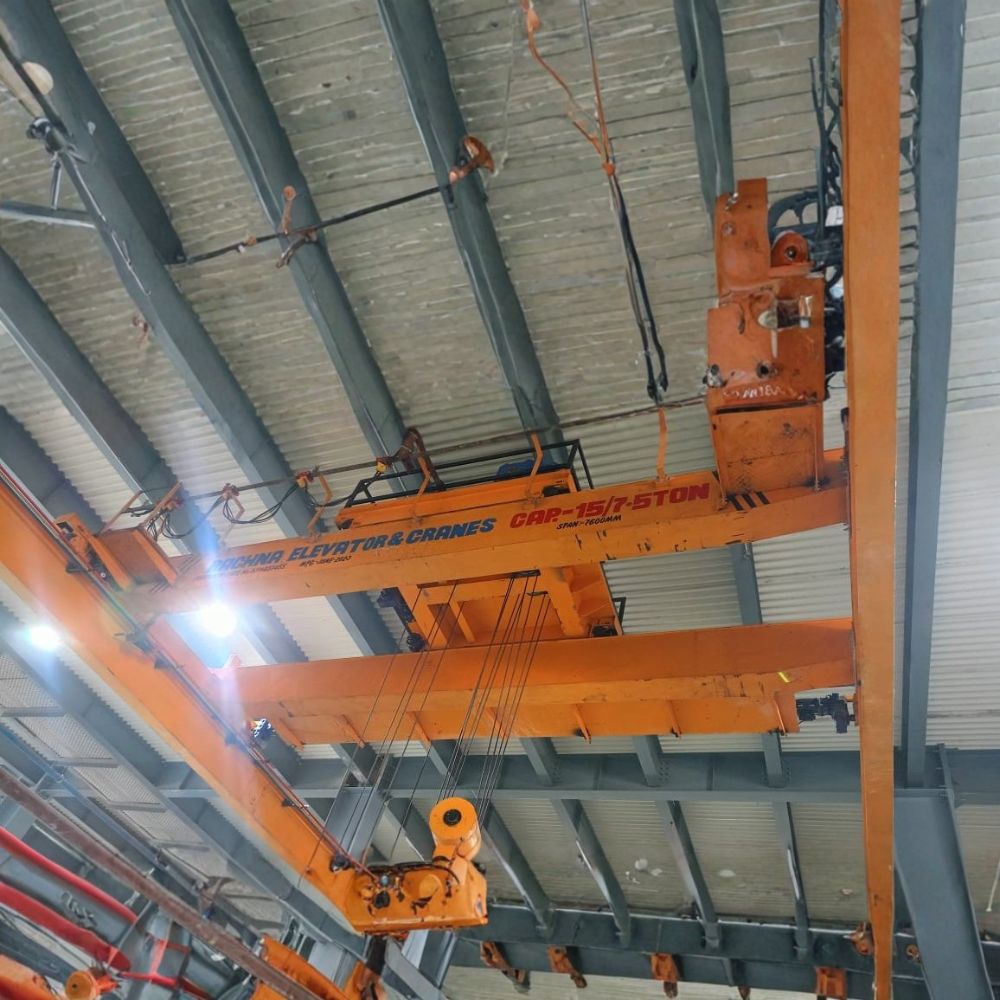
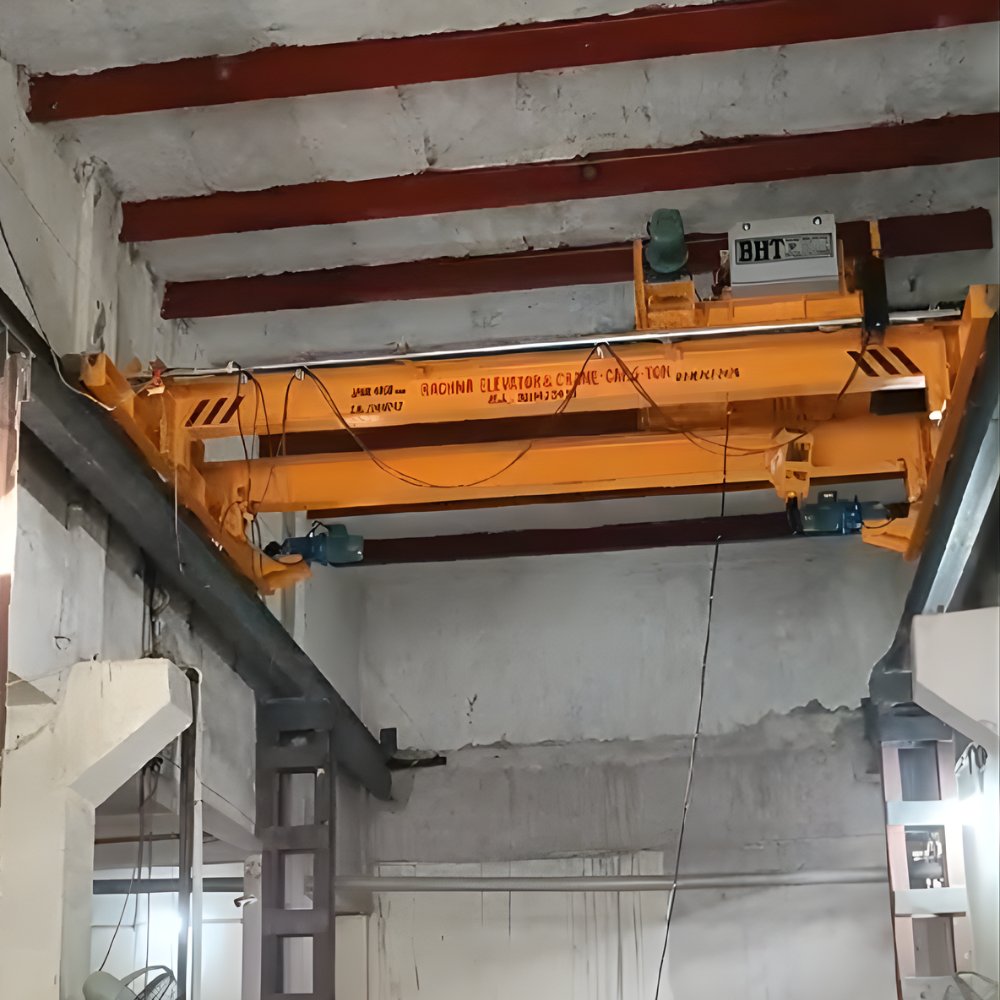
Superior Load Capacity and PerformanceDesigned for intensive industrial use, this crane offers a formidable 20 Long Ton load capacity and smooth vertical and horizontal movement at 1 m/s. Its heavy-duty construction guarantees stability and efficiency, even under challenging conditions. The BOX TYPE DOUBLE GIRDER CRANE provides reliable performance in factories, warehouses, and production units.
Advanced Safety and Control FeaturesEquipped with an electromagnetic brake and precision-engineered gearbox, the crane delivers superior control, enhanced safety, and low maintenance requirements. Its robust double girder design increases structural strength, supporting rigorous lifting grids and ensuring safe, controlled operation in high-demand industrial environments.
Trusted Manufacturing & ExpertiseManufactured and supplied by leading industry experts in India, the BOX TYPE DOUBLE GIRDER CRANE is crafted to meet stringent quality standards. This ensures long service life and consistent productivity for end users, with expert support readily available for installation and after-sales service.
FAQ's of BOX TYPE DOUBLE GIRDER CRANE:
Q: How does the BOX TYPE DOUBLE GIRDER CRANE benefit industrial operations?
A: This crane boosts operational efficiency by enabling the safe and rapid movement of heavy materials, thanks to its 20 Long Ton capacity and consistent 1 m/s lifting and traveling speeds. Its robust design and advanced brake system enhance workplace safety, reducing downtime and facilitating large-scale production processes.
Q: What is the recommended usage for this crane?
A: Ideal for a wide range of industrial applications, the crane is best suited for heavy lifting tasks in manufacturing, processing plants, warehouses, and large-scale construction sites. Its high load capacity and stable structure make it perfect for handling substantial weights over extended spans.
Q: Where can the BOX TYPE DOUBLE GIRDER CRANE be installed?
A: This crane is designed for indoor use within industrial environments across India, such as assembly halls, storage areas, and production floors, where high lifting heights and spans are required for material handling.
Q: What is the process for operating the crane safely?
A: Operators should ensure the crane is inspected before each use, follow the manufacturer's operational guidelines, and utilize control systems for precise maneuvering. The integrated electromagnetic brake and sturdy gearbox provide secure handling even under maximum load conditions.
Q: What are the main components that ensure effective lifting?
A: Key components include the double girder box structure for enhanced stability, high-capacity gearbox for smooth motion, and an electromagnetic brake system for responsive stopping power. The electric power supply guarantees consistent lifting and traveling speeds during operation.
Q: When is routine maintenance required for this crane?
A: Routine inspections and maintenance are advised based on usage intensity but typically should be performed at regular intervals to ensure lasting performance and safety. The manufacturer's guidelines provide detailed schedules tailored for industrial demands.




 Send Inquiry
 Send Inquiry

