About EOT OVERHEAD CRANE
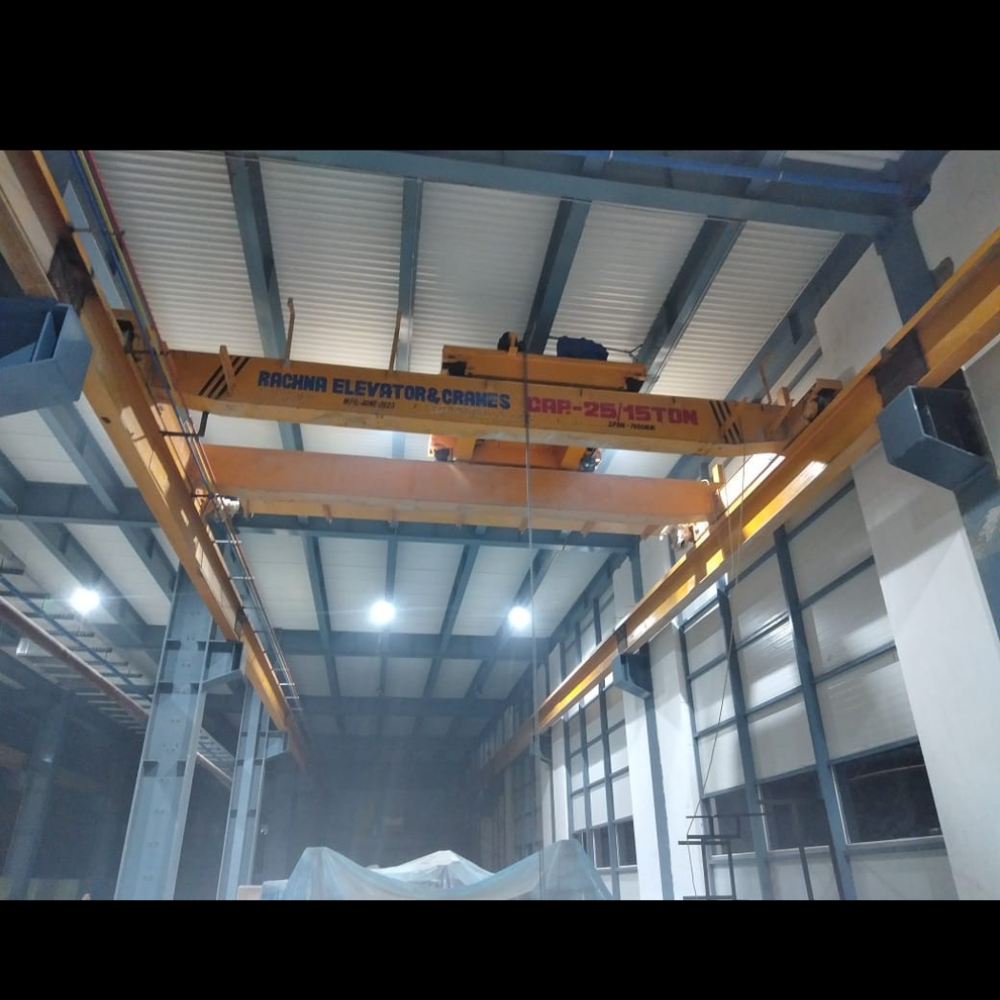
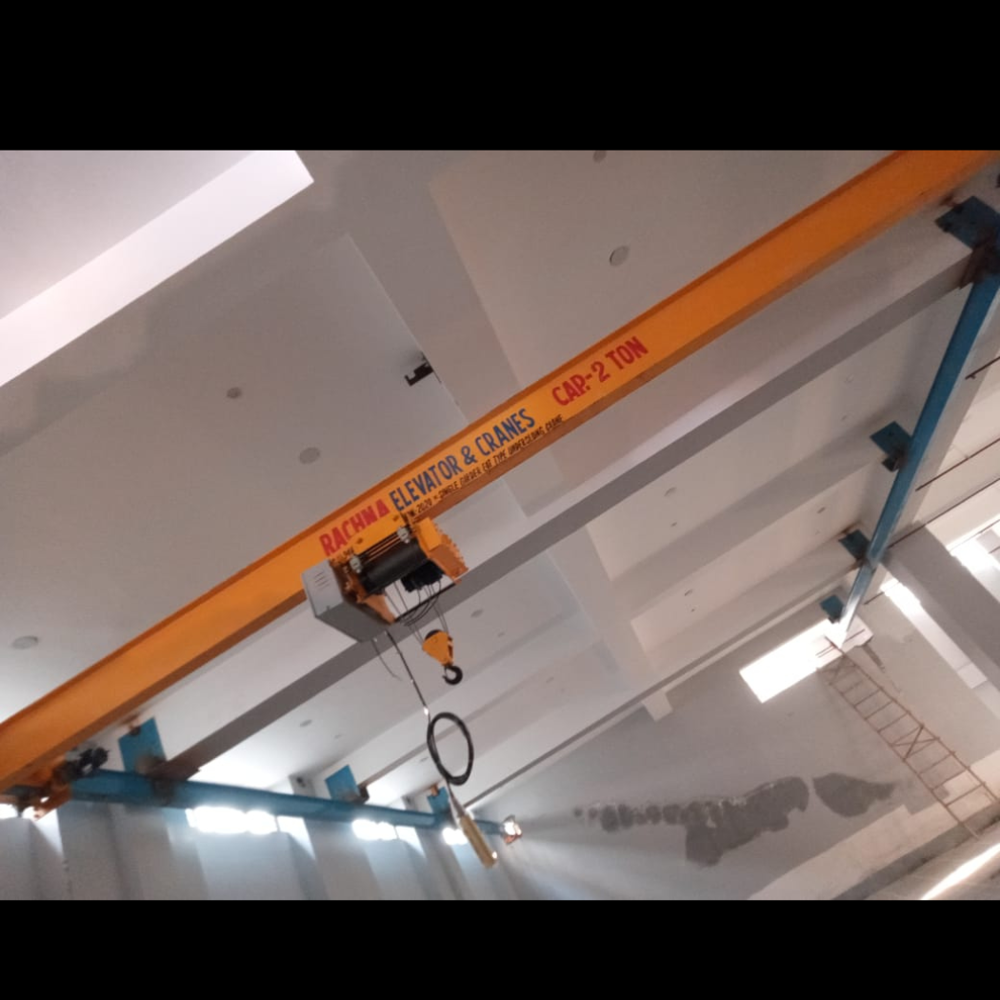
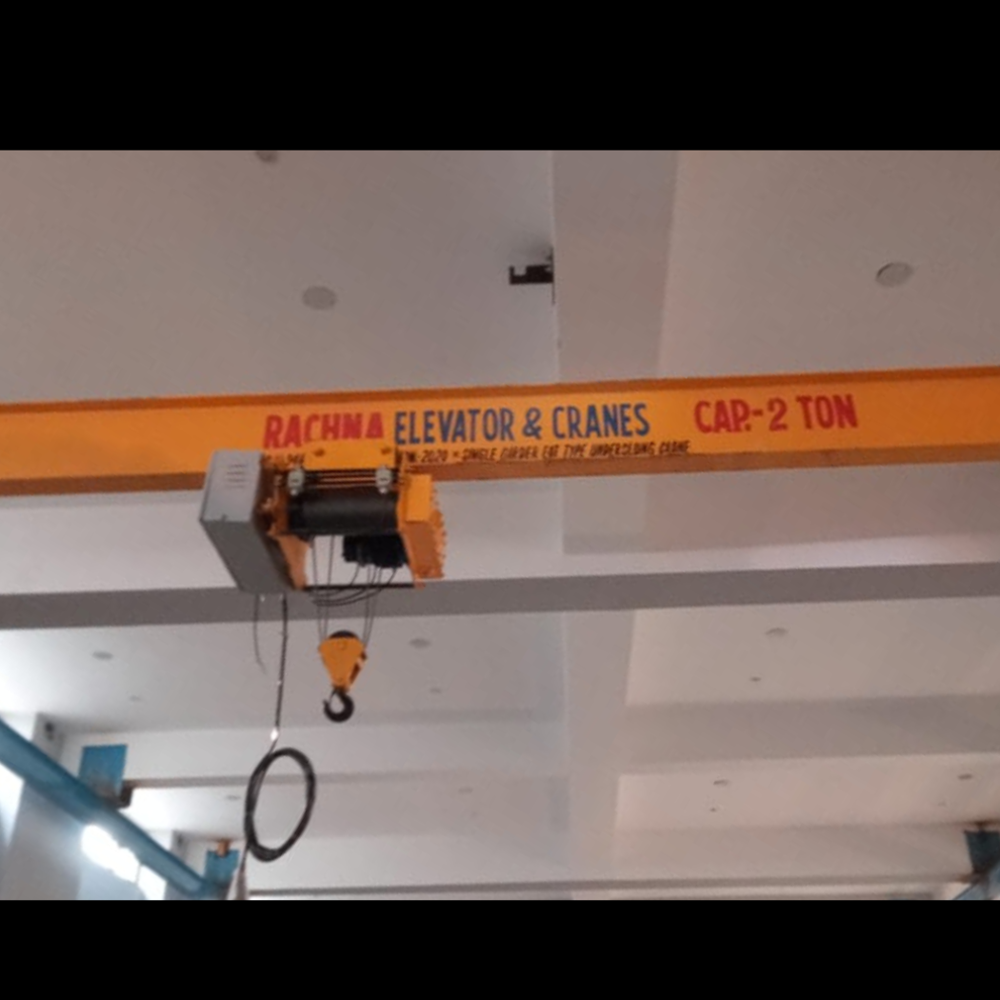
A Comprehensive Guide to Construction Cranes, EOT (Electric Overhead Travelling) Cranes are an essential part of the construction industry. They are used to lift and move heavy loads in various industrial and commercial settings. EOT Cranes are available in different types and capacities, ranging from single girder to double girder cranes, making them ideal for various material handling applications. As a leading EOT Crane Manufacturer, we offer a range of cranes to meet the specific needs of our clients. Our Single Girder EOT Cranes are known for their light weight and easy maintenance, while our Double Girder EOT Cranes are designed for heavy-duty applications. Our Electrical Hoist Cranes are an ideal solution for lifting and moving small loads, while our Overhead Cranes are ideal for moving loads over a large area. We are one of the leading Crane Manufacturers in the industry, providing high-quality EOT Cranes at competitive prices. Our cranes are designed and manufactured in compliance with international standards and come with a warranty for complete peace of mind.
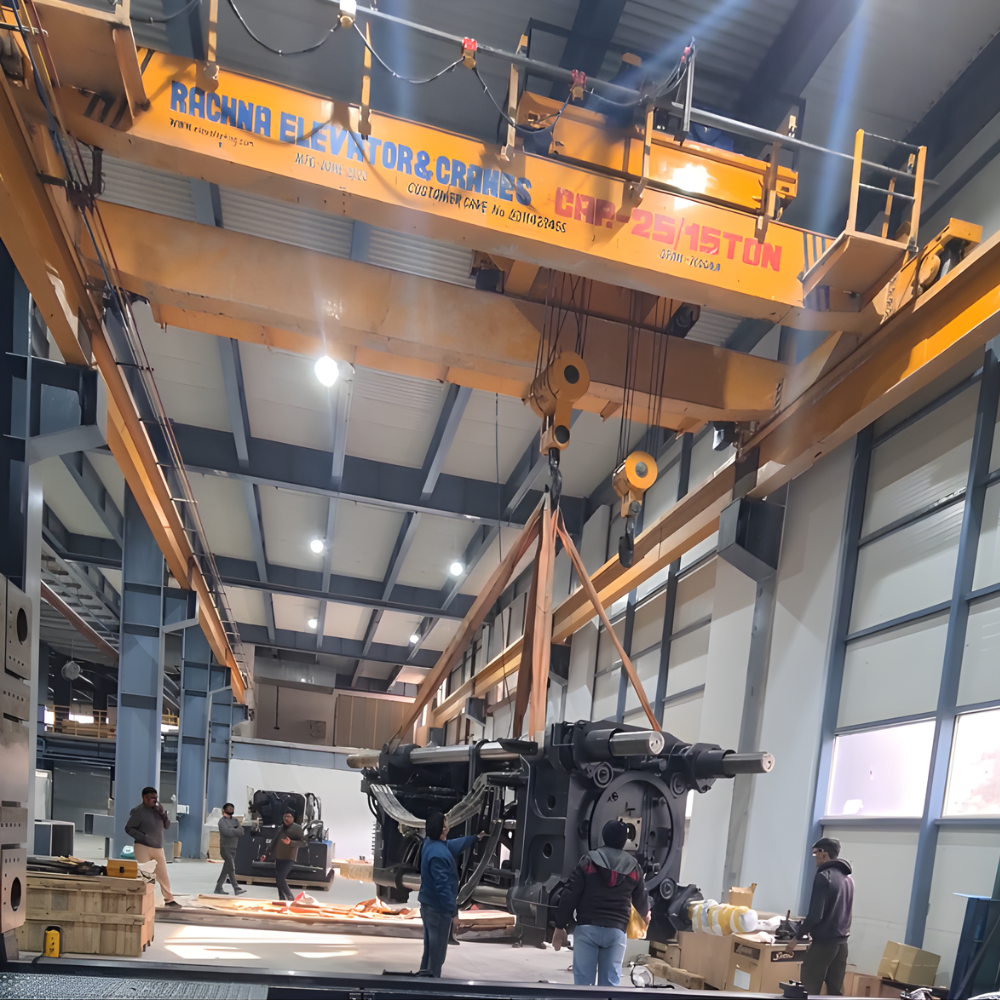
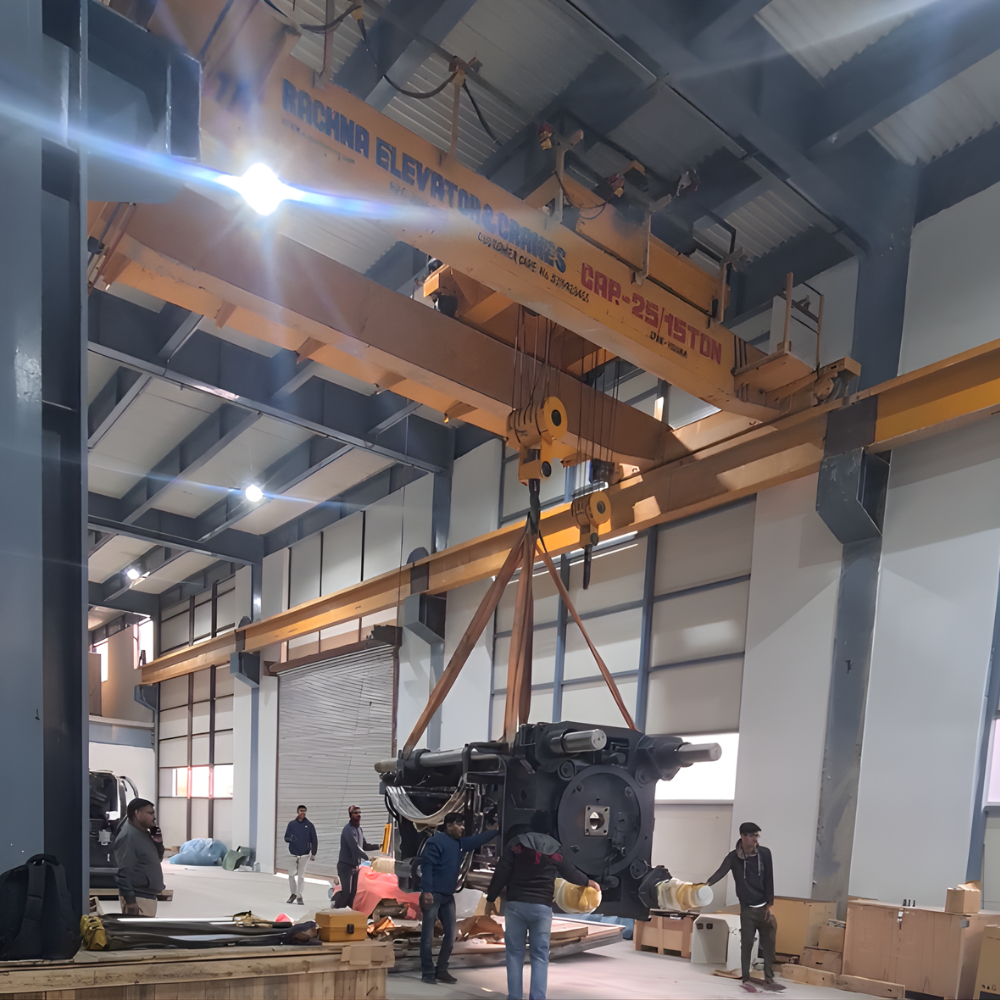
Precision Engineering for Industrial SettingsCrafted for intensive industrial use, this EOT Overhead Crane combines durable construction with user-focused innovation. Its 10 Long Ton load capacity, fast 1 m/s lifting speed, and secure electro-magnetic brakes ensure stable and controlled operations, making it suitable for loading, unloading, and transporting heavy materials inside factories and warehouses.
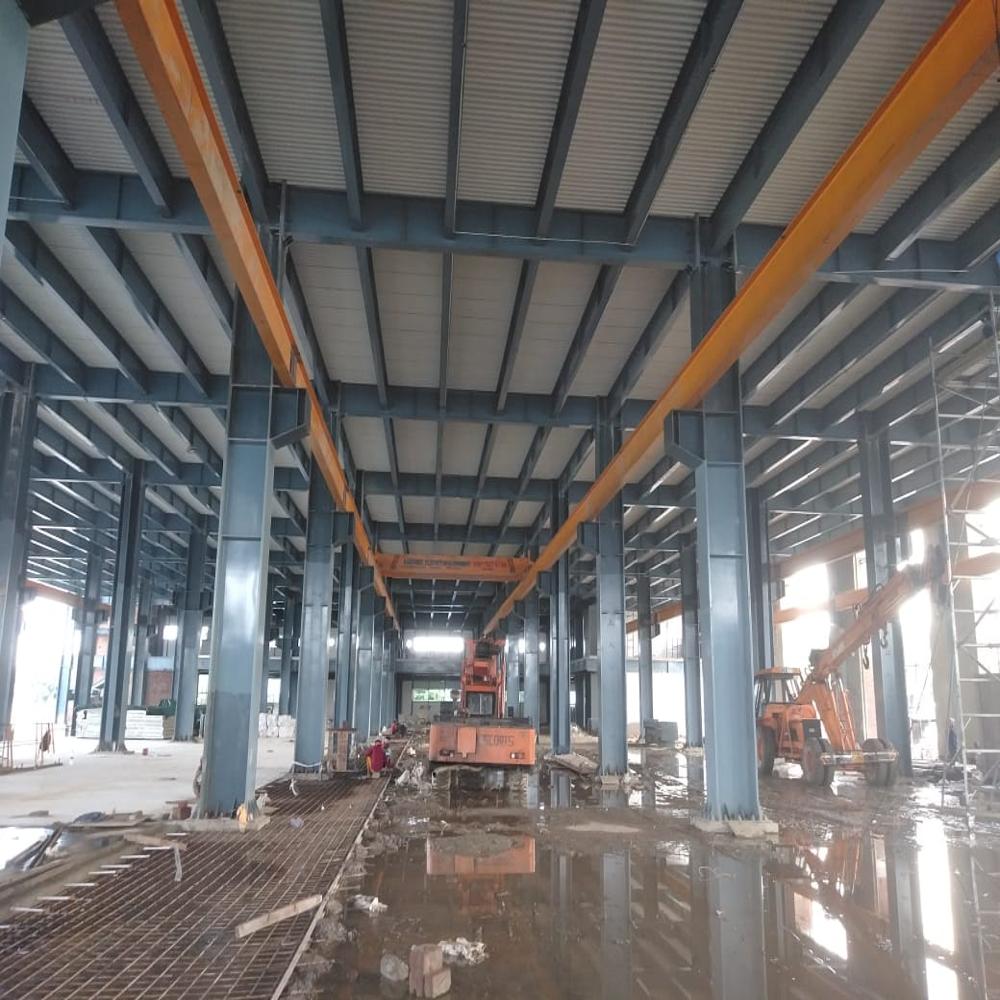
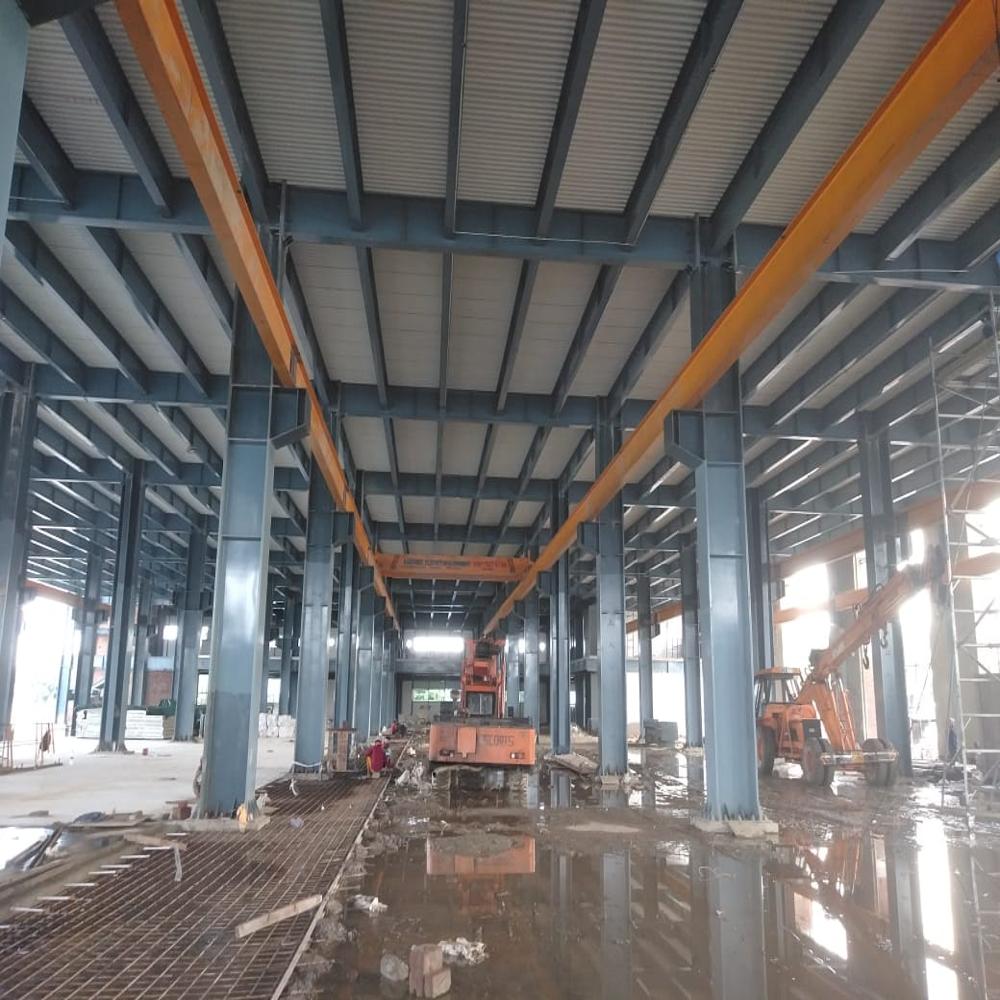
Enhanced Safety and Control FeaturesSafety is paramount with this EOT crane, which incorporates features such as an electro-magnetic braking system and a sturdy 15-meter span. Operators benefit from precise movement and secure lifting, reducing the risk of accidents and improving workplace productivity.
FAQ's of EOT OVERHEAD CRANE:
Q: How is the EOT Overhead Crane installed and maintained?
A: The EOT Overhead Crane is generally installed by professional technicians who assemble the crane on-site according to your facility's specifications. Regular maintenance involves routine inspections, lubrication of moving parts, checking the electro-magnetic brakes, and ensuring all controls and safety features operate correctly.
Q: What are the main uses of this crane in industrial environments?
A: This crane is primarily used for material handling tasks such as lifting, transporting, and positioning heavy loads within manufacturing plants, warehouses, and assembly lines. Its high load capacity and reliable control make it suitable for moving large machinery, raw materials, or finished products efficiently.
Q: When should I operate the crane at its maximum lifting capacity?
A: The crane is engineered to safely lift up to 10 Long Tons; however, it should only be operated at full capacity when it is essential for your application, ensuring all safety protocols are followed. Regularly lifting loads close to the maximum can accelerate wear, so it's ideal to reserve maximum capacity for necessary tasks.
Q: Where can this EOT Overhead Crane be installed?
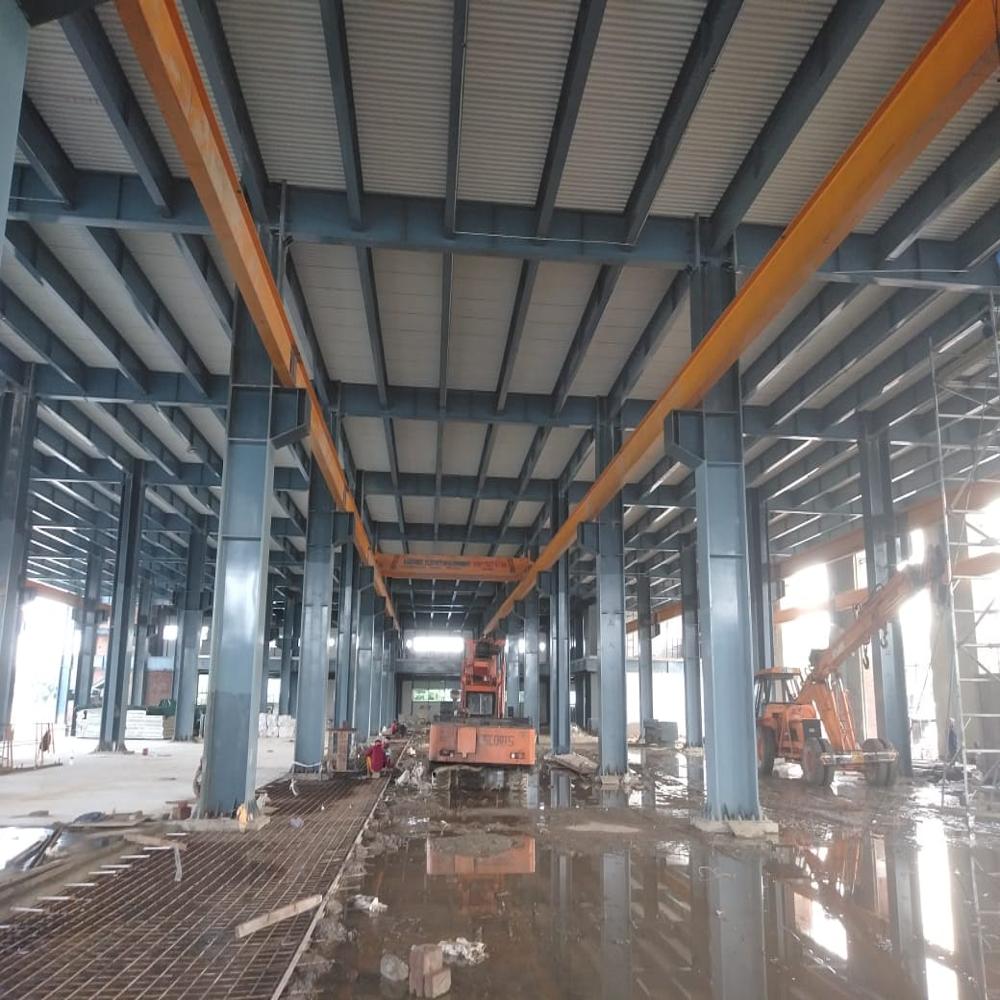
A: This crane can be installed in a variety of industrial facilities including manufacturing units, warehouses, construction sites, and workshops across India. Proper site preparation and adherence to clearance, span, and power requirements are vital for safe installation.
Q: What is the process for ordering and supplying the crane in India?
A: To order the EOT Overhead Crane, customers should contact the manufacturer or supplier directly with their facility specifications. After confirming the order, arrangements will be made for delivery, installation, and training of staff for smooth commissioning.
Q: How does the crane's electro-magnetic braking system enhance safety?
A: The electro-magnetic braking system provides instant stopping power, reducing the risk of accidental drops or uncontrolled movements. This feature ensures a safer working environment and precise load handling during lifting and transportation operations.
Q: What are the key benefits of using this EOT Overhead Crane?
A: Users gain advantages such as improved efficiency, reduced manual labor, precise load handling, and enhanced safety. The crane's robust design, fast lifting speed, and reliable components contribute to increased productivity and reduced downtime in industrial workflows.




 Send Inquiry
 Send Inquiry

